
Uterine Fibroids: Understanding the Silent Growths
Uterine fibroids are noncancerous growths of the uterus that often appear during a woman’s reproductive years. Although benign, they can significantly affect quality of life, causing symptoms such as heavy menstrual bleeding, irregular cycles, a sense of weight or pressure in the uterine region, pelvic pain, and persistent discomfort. From the perspective of homoeopathic philosophy, uterine fibroids are considered to have a sycotic origin—linked to the gonorrhoeal miasma. This origin may be either acquired or congenital, reflecting the deeper constitutional influences that shape disease expression.
Admin User
Introduction:
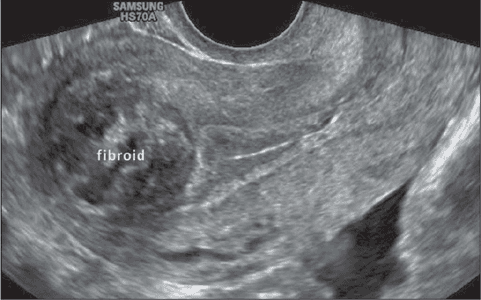
Uterine fibroids are benign
(noncancerous) tumors that develop within the muscular wall of the uterus, most
commonly during a woman’s reproductive years. They vary in size from small
nodules invisible to the naked eye to large masses that can distort the shape
of the uterus. While fibroids are not life‑threatening, they can significantly
impact a woman’s health and quality of life. Symptoms may include heavy or
prolonged menstrual bleeding, irregular cycles, pelvic pain, pressure
sensations, and sometimes infertility or complications during pregnancy.
Allopathic view
According to the conventional
system of medicine, exact cause of fibroid formation remains uncertain, though
hormonal factors—particularly estrogen and progesterone—are known to stimulate
their growth. Genetic predisposition and lifestyle influences may also
contribute. From a broader perspective, fibroids reflect the complex interplay
between biology, environment, and constitution.
Homoeopathic view
In homoeopathic philosophy,
uterine fibroids are often considered to have a sycotic origin, linked
to the gonorrhoeal miasm, and may be either acquired or congenital. This view
emphasizes the deeper constitutional roots of disease, reminding us that
fibroids are not merely local growths but part of a wider systemic imbalance.
Type of Uterine fibroid:
The four main type of the uterine fibroid are intramural, submucosal, subserosal and pedunculated fibroid. each are different from other based on location in uterus.
Intramural Fibroids: take origin within the uterus wall, it is the most common type of uterine fibroid, can enlarge and distort the uterus. cause heavy bleeding, pain and weighted feeling the pelvic region.
Subserosal Fibroids: take origin from the outer surface of the uterus. it grows outward, exert pressure on surrounding organ. Back pain, urinary frequency and abdominal pressure are the characteristic symptoms.
Submucosal Fibroids: it lies just beneath the uterine lining (Endometrium) least common but most symptomatic, can protrude into the uterine cavity. can produce heavy, prolonged bleeding and infertility.
Pedunculated Fibroids: attached to the uterus wall by a stalk, it may be inside or outside the uterus. it exerts the symptoms of sharp pelvic pain and pressure symptoms.
Keynote feature:
Intramural fibroids are the most common
Submucosal fibroids often cause the most severe bleeding and fertility problems
Subserosal fibroids mainly cause pressure effects on nearby organs
Pedunculated fibroids can be particularly painful if twisted
ETIOLOGY (Cause of the disease) according to Dr. Hahnemann, three miasm are responsible for all type of disease, well known as the Psora (Poision of itch), Sycosis (Poision of Gonorrhoea), Syphilis (Poision of Syphilis). Out of three Psora is contagious miasm and Sycosis and Syphilis are Sexually transmitted disease.
Uterine fibroids are of sycotic origin and are generally secondary to other sycotic infections, such as offensive, acrid, and itching leucorrhoea, burning urination, and vaginal irritation. When these underlying infections are suppressed through external applications or aggressive heroic medicines, the consequence is often the development of uterine fibroids. Uterine fibroid may be acquired or congenital.
Congenital uterine fibroids typically manifest at puberty or during the reproductive period. They are always the result of an inherited sycotic miasm.
Major complications of Uterine fibroid:
1. Menstrual and Bleeding-Related
Heavy
menstrual bleeding (menorrhagia)
– can cause prolonged or painful periods.
Anemia – chronic blood loss may lead to iron-deficiency anemia,
fatigue, and weakness.
Intermenstrual
bleeding – spotting or bleeding between
cycles.
2. Reproductive and Fertility Issues
Infertility – fibroids may distort the uterine cavity, block fallopian
tubes, or interfere with implantation.
Recurrent
miscarriages – especially with submucosal
fibroids that affect the endometrium.
Complications
during pregnancy – increased risk of preterm labor,
malpresentation of the fetus, placental abruption, and cesarean delivery.
3. Pressure Symptoms
Urinary
problems – frequent urination, urgency, or
difficulty emptying the bladder due to pressure on the bladder.
Constipation – fibroids pressing on the rectum.
Pelvic
pain or pressure – chronic discomfort, heaviness, or
lower back pain.
4. Rare but Serious Complications
Fibroid
degeneration – when fibroids outgrow their blood
supply, causing severe pain and fever.
Acute
urinary retention – in very large fibroids
compressing the bladder outlet.
Hydronephrosis – obstruction of ureters leading to kidney complications
(rare).
Malignant
transformation – extremely rare
Indicated Remedy: (Each and every medicine is useful if selected on symptomatology)
About Admin User
HomeoEra: A Global Platform for Doctors Our mission is to build the largest database of homoeopathic knowledge for future generations. With a special focus on teaching Materia Medica and the Organon of Medicine, we aim to strengthen the foundation of classical homoeopathy worldwide. We invite you to share your cured cases on this platform, contribute to collective learning, and support fellow practitioners. Together, let us take a decisive step toward establishing world-class homoeopathy. Join hands with HomeoEra—where knowledge meets cure.
Comments (0)
No comments yet. Be the first to share your thoughts!